(605) 835-8089

News

May the joy of Christmas fill your heart

Matthew 1 verses 21 to 23 is a message to Joseph concerning Mary: “She shall bear a son, and you shall call his name Jesus, for he will save his people from their sins. All this took place to fulfill what the Lord had spoken by the prophet: ‘Behold, the virgin shall conceive and bear a son, and you shall call his name Emmanuel.’” Jesus is the Messiah, our Savior, and the sacrifice for our sins. For 33 years, he listened to the Jewish leaders, the crowds, and his disciples; he taught, he preached, he prayed, he went, he cried, he fed, he healed, he raised the dead, he walked on the water, he loved, and yet, most of them did not believe that he was who he said he was - the one and only Son of God.

Remembering the Reason for the Season

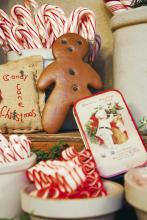
Christmas is so much more than Santa Claus, decorations, and presents. It is more than all the hustle and bustle of shopping, parties, and feasts. And if everyone would truly take the time to remember the true reason for the season, our world would definitely be a better place to live.

Maintaining holiday traditions

For many families, the holidays are all about tradition. Traditions can include annual trips to Grandma’s house, when and where a family shares its holiday gifts, or something as simple as the holiday meal.

How the Trees Kept Christmas

One Christmas Eve the trees in a wood were very unhappy. They wished very much to keep Christmas, but they did not know how to do so.

How Santa does it

One of the most common questions we get around here goes along the lines of “How is it possible that Santa Claus can visit the house of every child all in one night?” When kids ask this my initial response is “Sheesh, what kind of kid are you? Can’t you just accept that he does it and be happy?” But Santa heard me say that once and now he won’t let me say it any more. So I started telling kids that it’s just magic.

The History of Christmas cards

The tradition of sending Christmas cards begun in 1843 – about the same time as the first Christmas seal was published. The first Christmas card was produced in England, and the idea was well-received, because the following year, more than 25,000 Christmas cards were sold. However, the first Christmas card provoked controversy in certain circles in England, because the Christmas card pictured a company of people touching glasses and saying “Merry Christmas”. Putting alcohol and holy Christmas in one picture did not please the English citizens then.

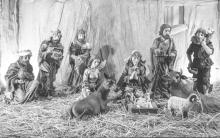
The story of the birth of Jesus

Christmas traditions focus on several different aspects of family and spiritual life. While many stories are shared around Christmastime, perhaps none bears more significance than the origin of the Christmas celebration. Sharing the Christmas story is an integral part of holiday gatherings, reminding families that faith is foremost during this festive time of

Tips to prolong the life of your Christmas tree

Christmas trees are symbols of the holiday season and the spirit of giving that the season champions. Choosing and decorating a Christmas tree is a tradition for many families, and depending on the trees they choose, families may have some work to do to keep their trees glowing all season long.

Christmas tree facts

One of the most recognizable symbols of the holiday season, Christmas trees can be seen in private homes, public spaces and many prominent locations beginning each December. Christmas trees come in all shapes and sizes, and families may prefer certain types of trees, including aromas, needle types and fullness.

What is wassailing?

It is possible, especially if you are over a certain age, that you have heard the Christmas song “Here We Come a-Wassailing.” But what is wassailing? Wassailing is the practice of people going door-to-door, singing and offering a drink from the wassail bowl in exchange for gifts; this practice still exists, but has largely been displaced by caroling. The word “Wassail” actually comes from an Anglo-Saxon word that means “be thou hale”, or “be in good health.” It originated as a greeting, but by the twelfth century, the cry “was hail” and reply, “drink hail” became a toast.